Delving into Urban Economic Patterns

Urban economics has always been an integral part of how we understand the development and functionality of cities. Recent studies, endorsed by the World Bank, have provided new insights into the socio-economic frameworks that define urban landscapes. These insights help policymakers and economists craft strategies that can lead to more sustainable and equitable urban growth.
Assessing Economic Policies Through Empirical Research
The collaborative research sheds light on the multilayered aspects of economic policies, emphasising the importance of empirical evidence in making informed decisions. By analyzing a variety of economic indicators and their interplay within urban settings, researchers are better equipped to understand the complex dynamics that influence city development.
International Elasticity Puzzle: A Global Conundrum

In parallel to urban economics, the international elasticity puzzle has been a topic of significant discussion among macroeconomists. The complexity of trade elasticity and its impact on global markets has triggered a series of debates and research efforts aimed at demystifying the conundrum. By examining patterns of consumption, production, and cross-border trade, scholars aim to provide clarity on how economies adjust to changes in market conditions.
Implications for Future Economic Strategies
The findings from these studies have profound implications for how nations approach trade, fiscal policies, and international relations. Understanding the elasticity of trade can be the key to navigating trade disputes, setting tariffs, and forecasting the impact of global economic shocks. As nations become more intertwined, the need for such understanding grows exponentially.
The Interconnection Between Academic Research and Practical Application
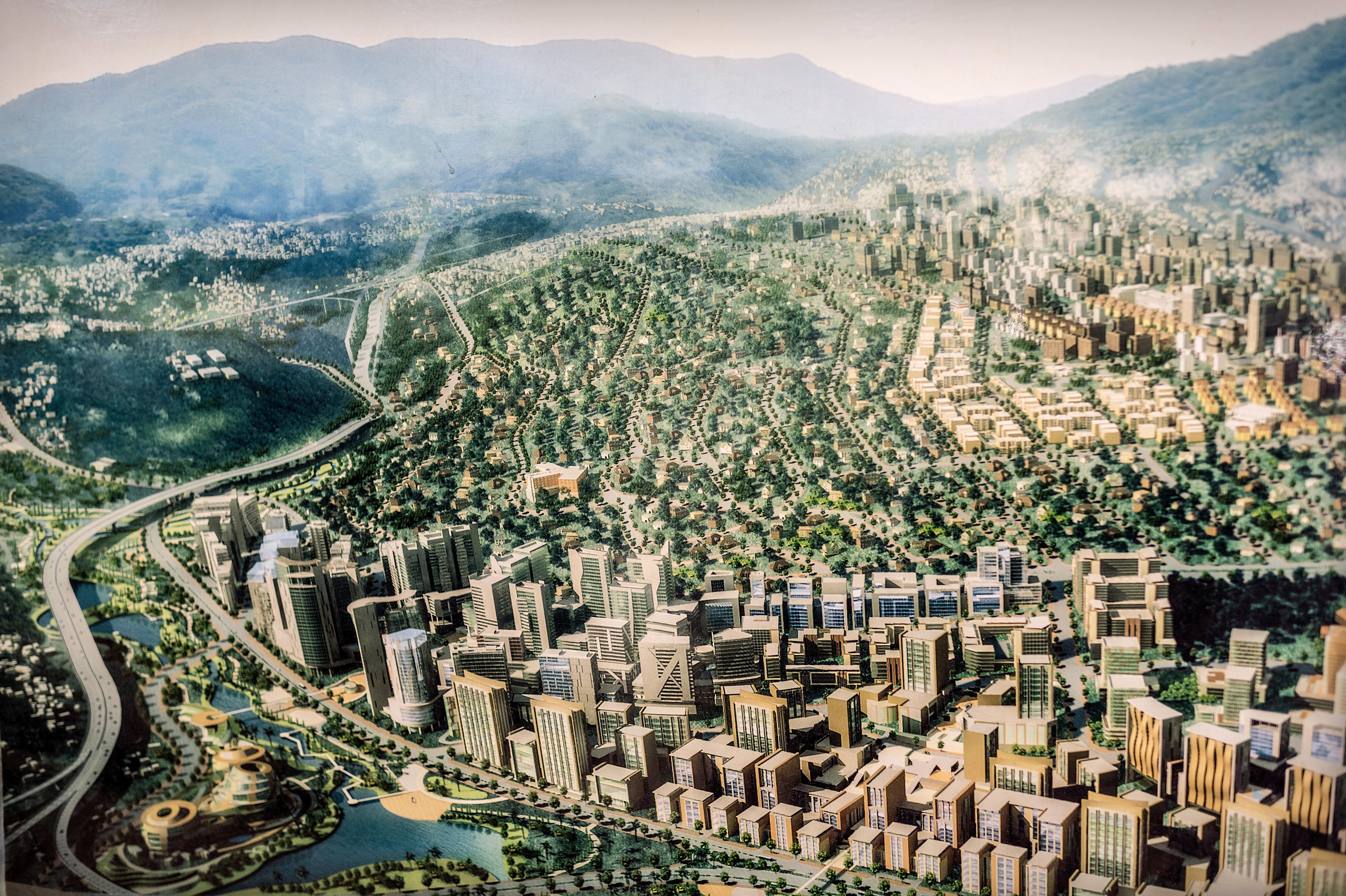
Academic research plays a vital role in shaping the economic policies of nations and the strategic development of cities. The collaboration between academia and policymakers is crucial to ensure that theoretical models reflect real-world scenarios and contribute to the betterment of society. It is through this synergy that effective and sustainable economic solutions are crafted.
Travel and Economics: A Symbiotic Relationship
The constant flux of urban expansion and the dynamics of international trade elasticity have more in common with the world of travel and hospitality than one might first assume. As cities evolve and economies adjust to global trading nuances, the travel industry—encompassing everything from leisure and business tourism to the hospitality sector—must also adapt. International conferences, business trips, and urban tourism all feed into the hotel industry, which is inextricably linked to the health and vibrancy of the local and global economy. Understanding these underlying economic principles allows for the anticipation of travel trends, the preparation for international meetings, and the strategic planning for hotel accommodations that align with economic forecasts. In essence, the symbiosis between travel, economics, and urban development creates a dynamic environment that, when navigated with insight, offers opportunities for growth and innovation within the hospitality sector.
Sorrento
Rome
- Radisson Blu Rome
- Holiday Max Reviews
- Oxford Hotel Rome
- Hotel Artemide
- Singer Palace Hotel Rome
- Pantheon Iconic Rome Hotel
- Rome Holiday
- Accommodation In Rome City Centre
- Rome Bed And Breakfasts
- Family Holiday Rome
- Pensione Rome